
Senior Pet Care
More Good Years Together
Getting older doesn’t automatically mean slowing down, hurting more or simply accepting that things have changed.
As dogs and cats age, their healthcare needs change too. Some medical conditions become more common, and the early signs can be surprisingly easy to mistake for normal aging.
A pet who is sleeping more may be uncomfortable. A cat who stops jumping onto the counter may be experiencing joint pain. Changes in weight, appetite, thirst, mobility, behavior or bathroom habits can all tell us something important — sometimes before a pet appears obviously sick.
That’s why senior care at Abbey Animal Hospital is proactive.
We want to recognize changes early, manage problems thoughtfully and help your pet remain comfortable, engaged and enjoying the things they love for as long as possible.

When is my pet considered a senior?
There isn’t one birthday that suddenly makes every pet a senior.
Dogs age differently depending on their size, breed and individual health, and larger dogs generally reach their senior years earlier than smaller dogs. Cats have their own life stages as well.
Rather than focusing on a number alone, we look at the whole pet — their age, breed, medical history, physical condition, lifestyle and how they may be changing over time.
As your pet gets older, we may recommend adjusting how frequently we see them or adding appropriate screening to their preventive care.
The goal is simple: to give us more opportunities to recognize meaningful changes early.
Senior Wellness Exams: Looking at the Whole Pet
A senior examination is about much more than checking your pet’s heart and giving vaccines.
It gives us an opportunity to compare what we’re seeing today with what we know about your pet from previous visits.
During your senior pet’s examination, we’ll pay particular attention to areas including:
- Weight, body condition and muscle mass
- Heart and lung health
- Teeth, gums and oral health
- Joints, mobility and signs of discomfort
- Skin, coat and any new or changing lumps
- Eyes, vision and hearing
- Abdominal organs
- Changes in appetite, thirst or elimination
- Behavior, sleep and cognitive changes
- Nutrition and activity
- Medications and supplements
- Overall comfort and quality of life
Those conversations matter too.
You see your pet every day. A small change you’ve noticed at home may provide an important clue about something we can’t see during an examination.
Caring for Senior Pets
Small Changes Can Tell Us a Lot
One of the most important parts of senior care is recognizing that changes shouldn’t automatically be dismissed because a pet is getting older.
Talk to us if you’ve noticed your pet:
- Slowing down or tiring more easily
- Hesitating before jumping or using stairs
- Having difficulty getting up or lying down
- Sleeping significantly more or becoming restless at night
- Gaining or losing weight
- Drinking or urinating more
- Eating more, eating less or becoming unusually picky
- Having accidents in the house
- Coughing or breathing differently
- Developing new lumps or bumps
- Seeming confused, anxious or unusually withdrawn
- Becoming less interested in play or interaction
- Having difficulty seeing or hearing
- Developing persistent bad breath or difficulty eating
- Grooming less — or developing a messy or matted coat
- Becoming less tolerant of being touched or handled
None of these automatically means something serious is wrong.
But they are worth talking about.
Sometimes the answer really is a normal age-related change. Other times, it gives us an opportunity to identify and manage a problem that may be affecting your pet’s health or comfort.
Looking Beyond What We Can See
A physical examination tells us a great deal, but it can’t tell us everything.
Dogs and cats can compensate remarkably well, and some diseases may begin changing the body before there are obvious outward signs.
Depending on your pet’s age, health and medical history, your veterinarian may recommend diagnostic screening such as:
- Bloodwork
- Urinalysis
- Blood pressure measurement
- Thyroid testing when appropriate
- Fecal and parasite screening
- Heartworm and tick-borne disease screening when appropriate
- Additional diagnostic testing based on examination findings or symptoms
These tests aren’t about looking for problems simply because your pet is older.
They give us information that we can interpret alongside your pet’s examination, history and previous results.
A single laboratory result is useful.
Being able to compare results over time can be even more valuable.
Regular wellness visits and appropriate screening allow us to follow trends in your pet’s health. A result may still fall within a laboratory’s reference range but have changed meaningfully from what is normal for your pet.
That’s one reason we place so much value on consistent preventive care throughout the senior years.
Accordion Content
Slowing Down Isn’t Always “Just Getting Older”
Dogs and cats don’t always show pain in ways we expect.
They may not cry, limp or obviously tell us something hurts.
Instead, arthritis and other sources of chronic discomfort can show up as subtle changes in everyday behavior.
A dog may stop wanting to take the long walk, hesitate on stairs or struggle to get comfortable.
A cat may stop jumping to a favorite windowsill, sleep in easier-to-reach places, groom less or become irritated when handled.
If your pet’s movement or behavior has changed, tell us.
There are more options for managing chronic pain and mobility concerns than many pet owners realize. Depending on your pet’s needs, we can discuss medication, weight management, activity, home modifications and other ways to support comfort and mobility.
The goal isn’t simply to help senior pets live longer. We want those years to feel good too.
Dental disease doesn’t become less important because a pet is older.
Periodontal disease, damaged teeth and other oral problems can cause chronic pain and affect a pet’s ability to eat comfortably.
We’ll continue to evaluate your senior pet’s mouth during their wellness visits and discuss any changes we see.
And age alone doesn’t automatically rule out dental treatment or anesthesia.
If dental treatment is recommended, we’ll consider your pet’s overall health, examination findings and appropriate pre-anesthetic diagnostics when determining the safest plan for them.
Changes on the scale can be particularly important in an older pet.
Unexplained weight loss may be an early sign of an underlying medical problem. Weight gain can place additional stress on aging joints and affect mobility.
Senior pets can also lose muscle even when their overall body weight doesn’t change dramatically.
That’s why we look at more than a number on the scale.
We’ll evaluate your pet’s weight, body condition and muscle condition and discuss nutrition based on their individual needs. There isn’t one diet that’s automatically right for every senior dog or cat.
Older pets can experience changes in cognition, sleep patterns and behavior.
You may notice your pet:
- Wandering or seeming disoriented
- Becoming restless at night
- Sleeping much more during the day
- Having new house-soiling accidents
- Becoming unusually anxious or clingy
- Interacting differently with people or other pets
- Appearing to forget familiar routines
- Becoming less interested in activities they once enjoyed
Behavioral changes shouldn’t automatically be assumed to be dementia.
Pain, vision or hearing loss, urinary disease, endocrine disease and other medical conditions can sometimes cause similar changes.
Tell us what you’re seeing. We’ll help determine whether further evaluation is appropriate and discuss ways to make everyday life easier for your pet.
Sometimes small changes at home can make a surprisingly big difference.
Depending on your pet’s needs, that might mean:
- Adding rugs or non-slip surfaces to slippery floors
- Providing ramps or steps to favorite resting places
- Making food, water and litter boxes easier to reach
- Providing supportive bedding
- Keeping nails appropriately trimmed for better traction
- Adjusting the height or location of food and water bowls
- Using litter boxes with easier entry for cats with mobility problems
- Keeping familiar routines for pets experiencing cognitive changes
- Adjusting exercise so your pet can remain active without becoming overly tired or uncomfortable
If you’re noticing that something has become difficult for your pet at home, tell us. There may be simple ways to help.
Senior pets often develop conditions that need ongoing monitoring rather than a one-time treatment.
When that happens, we’ll work with you to create a plan that makes sense for your pet.
That may include follow-up examinations, laboratory monitoring, medication, dietary changes, pain management or additional diagnostics.
Just as importantly, we’ll explain what we’re watching, what changes you should look for at home and when we’d like to see your pet again.
Senior care isn’t one-size-fits-all.
A healthy older dog coming in for preventive care needs something very different from a cat managing kidney disease or a dog with arthritis and heart disease.
The plan should fit the pet.
What Does a Good Day Look Like for Your Pet?
Quality of life isn’t something we only discuss at the very end of a pet’s life.
It’s something worth thinking about throughout the senior years.
Can your pet comfortably get to the places they want to go? Are they eating and drinking normally? Are they sleeping comfortably? Are they interested in you, their surroundings and the activities they’ve always enjoyed?
As your pet ages or manages chronic disease, we’ll help you look at those changes objectively.
And when difficult decisions eventually need to be discussed, you won’t have to navigate them without support.
Our goal is always the same: to protect your pet’s comfort, dignity and quality of life while helping you make informed decisions for them.
Senior Pet Care: Frequently Asked Questions
It depends on your pet.
Age, species, breed, existing medical conditions, medications and previous findings can all influence how often we recommend examinations and monitoring.
As pets age, more frequent visits may be helpful because their health can change more quickly than it did when they were younger.
We’ll recommend a schedule based on your individual pet rather than their age alone.
Because a pet can look and act completely normal while changes are beginning internally.
Screening gives us information that a physical examination alone can’t provide and, when repeated over time, allows us to look for changes from your pet’s previous results.
That doesn’t mean every senior pet needs exactly the same testing. We’ll recommend diagnostics based on your pet’s age, health and individual needs.
Some change in activity can occur with aging, but slowing down can also be a sign of arthritis, pain or another medical problem.
If your dog no longer wants to walk as far, hesitates on stairs, has trouble getting up or has changed how they move, we’d like to know.
There may be ways to make them much more comfortable.
It’s worth mentioning.
Cats are very good at hiding discomfort. Rather than limping, a cat with joint pain may simply stop jumping as high, use furniture differently, groom less or become less active.
Changes like these give us useful information about your cat’s mobility and comfort.
Age by itself doesn’t determine whether a pet can undergo anesthesia.
An older pet may have medical conditions that change anesthetic risk, which is why we evaluate the individual patient and may recommend diagnostic testing before a procedure.
If treatment is recommended, we’ll talk with you about your pet’s health, the benefits of the procedure and any risks we need to consider.
Before there’s a crisis.
Quality of life is about much more than whether a pet is eating or whether it’s “time.”
Comfort, mobility, sleep, appetite, interaction, hygiene and the ability to enjoy familiar activities all matter.
Talking about quality of life early gives us an opportunity to manage problems, make adjustments and understand what matters most for your pet.
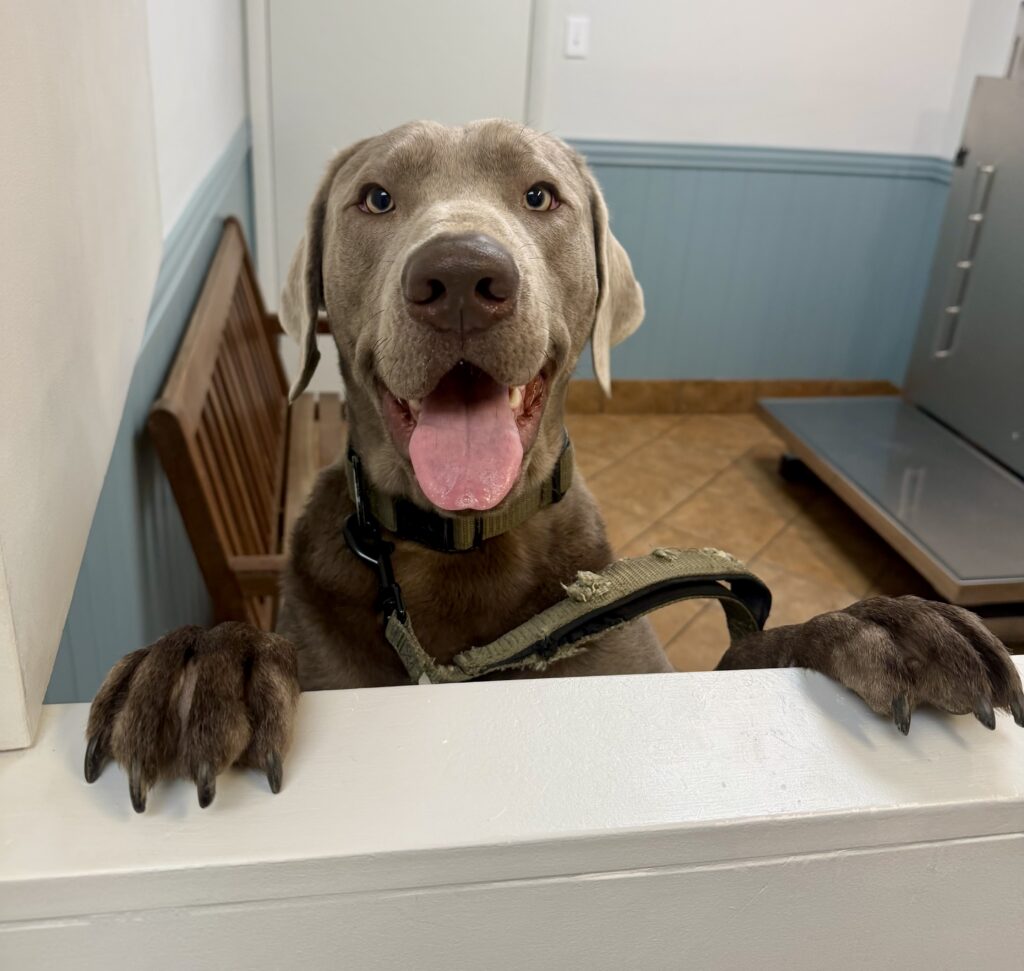
Your pet may be getting older. Our goal is to help them keep living well.
The senior years can be some of the most meaningful years you share with your pet.
Regular examinations, appropriate screening and thoughtful management of changes as they arise give us the best opportunity to protect their comfort and quality of life.
If something about your pet has changed — even if you’re not sure whether it’s important — we’d rather you tell us.
Now welcoming new patients.