
Surgical Care
In Trusted Hands, From Start to Recovery
When your pet needs surgery, it’s completely reasonable to have questions.
Why is surgery necessary? What will happen under anesthesia? How will pain be managed? What will recovery look like? And perhaps most importantly: who will be caring for my pet?
We want you to ask those questions.
At Abbey Animal Hospital, surgical care starts before the procedure itself. We take time to evaluate your pet, plan appropriately for anesthesia and make sure you understand why surgery has been recommended and what to expect.
During the procedure, your pet is carefully monitored. Afterward, we stay focused on comfort and recovery — and before you take your pet home, we’ll make sure you know what comes next.
New patients are welcome.
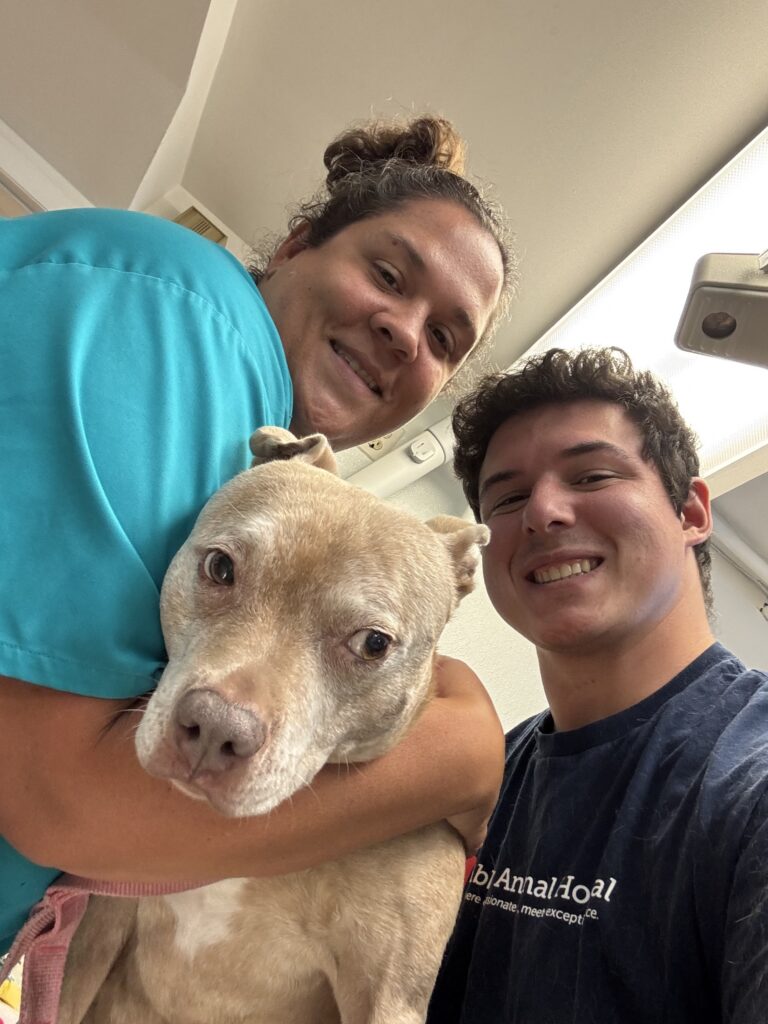
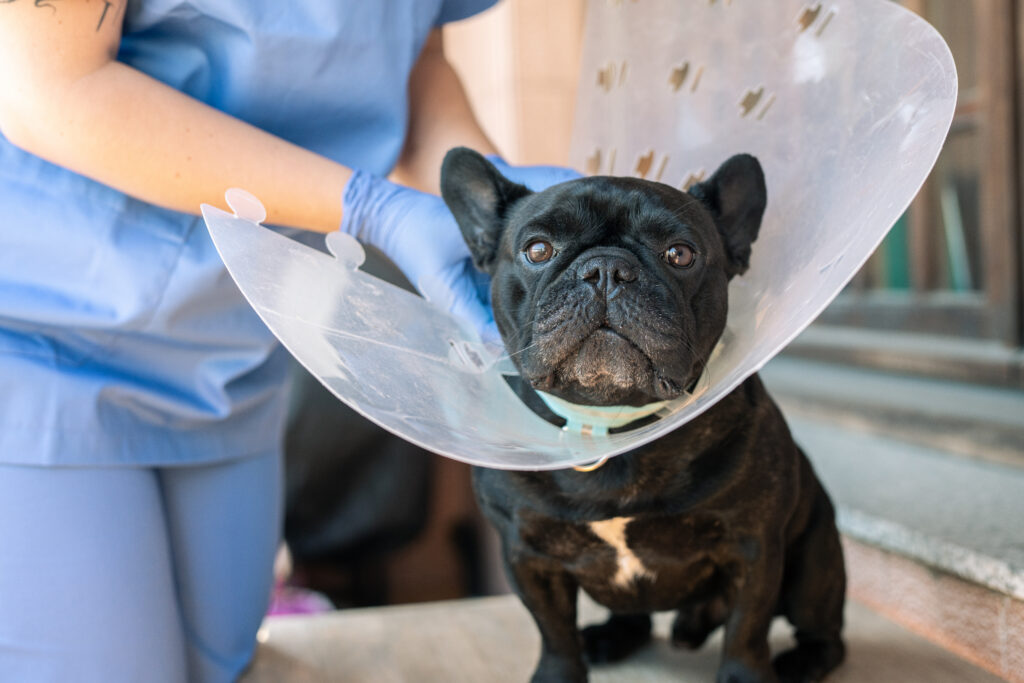
Surgery at Abbey
Abbey Animal Hospital provides a range of surgical care, from routine procedures such as spays and neuters to more involved soft-tissue surgeries.
Some procedures are planned well in advance.
Others become necessary after an examination or diagnostic testing identifies a problem that needs surgical treatment.
Either way, we approach surgery as care for an individual patient — not simply a procedure on the schedule.
Before moving forward, we’ll talk with you about what we’re recommending, why we’re recommending it and any reasonable alternatives that may be available.
Before Surgery
Planning for Your Pet
No two patients are exactly alike.
A young, healthy dog coming in for a routine procedure doesn’t have the same needs as an older cat with an underlying medical condition.
Before anesthesia, we’ll review your pet’s health and medical history, perform an appropriate examination and recommend pre-anesthetic testing based on the individual patient and procedure.
Diagnostic testing can help us identify health concerns that may affect anesthesia or influence how we plan your pet’s care.
If we find something that changes that plan, we’ll talk with you about it.
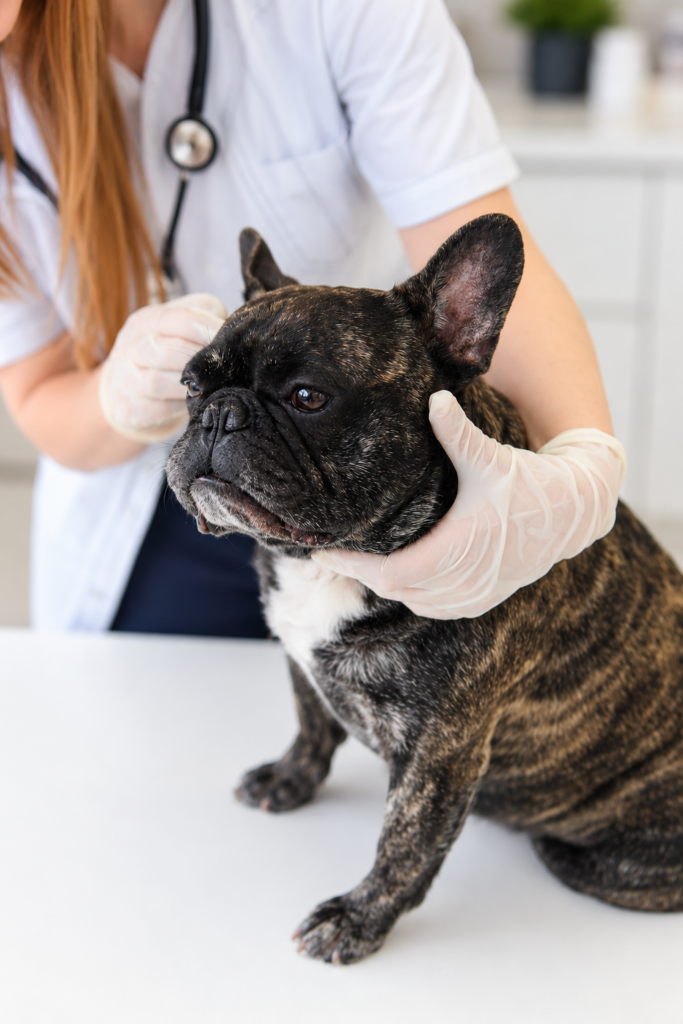

Anesthesia & Monitoring
Careful Attention Throughout the Procedure
We know anesthesia is one of the biggest concerns many owners have about surgery.
There is no such thing as completely risk-free anesthesia, which is exactly why careful planning and monitoring matter.
Your pet’s anesthetic plan is based on their individual health and the procedure being performed.
Throughout anesthesia, our team monitors your pet closely and makes adjustments when needed.
Our focus includes:
- Appropriate anesthetic planning
- Patient monitoring throughout the procedure
- Maintaining body temperature
- Pain management
- Careful surgical technique
- Attentive anesthetic recovery
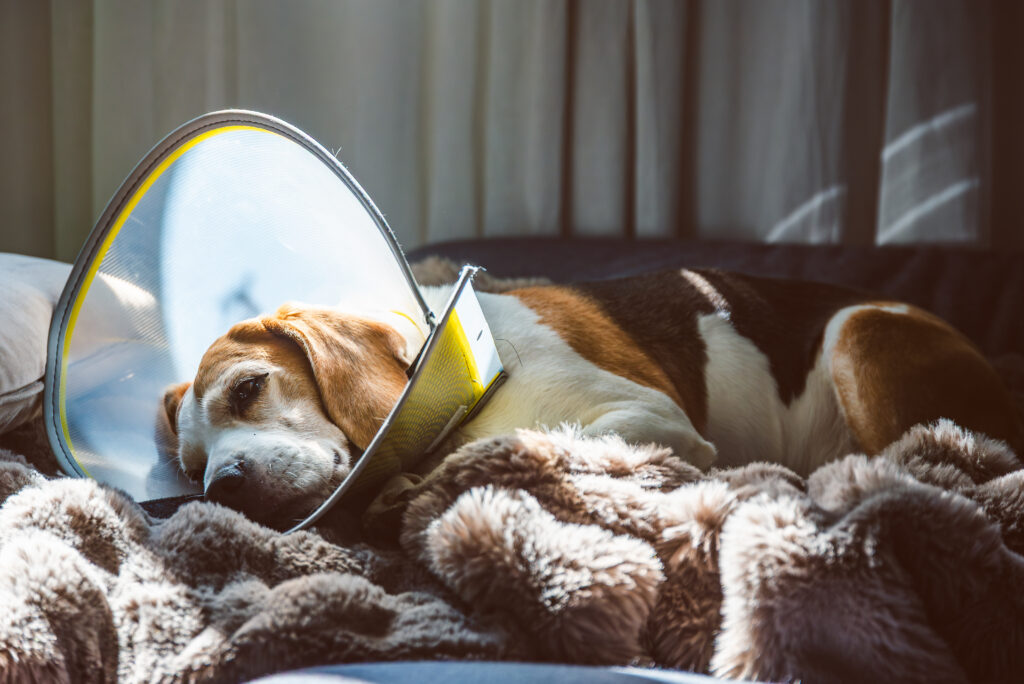
Your pet continues to be monitored after the procedure as they wake from anesthesia. Surgery isn’t finished, from our perspective, simply because the last suture has been placed.
Recovery matters too.
Pain Management
Comfort Is Part of Good Surgical Care
We don’t wait for a pet to show obvious signs of pain before thinking about pain control. Pain management is considered as part of the surgical plan and continues into recovery when appropriate. The medications and approach we recommend depend on the procedure and the individual patient.
Before your pet goes home, we’ll explain any medications you’ll be giving, when to give them and what to expect during recovery.
Specialized Surgical Care
Some surgical procedures require additional expertise.
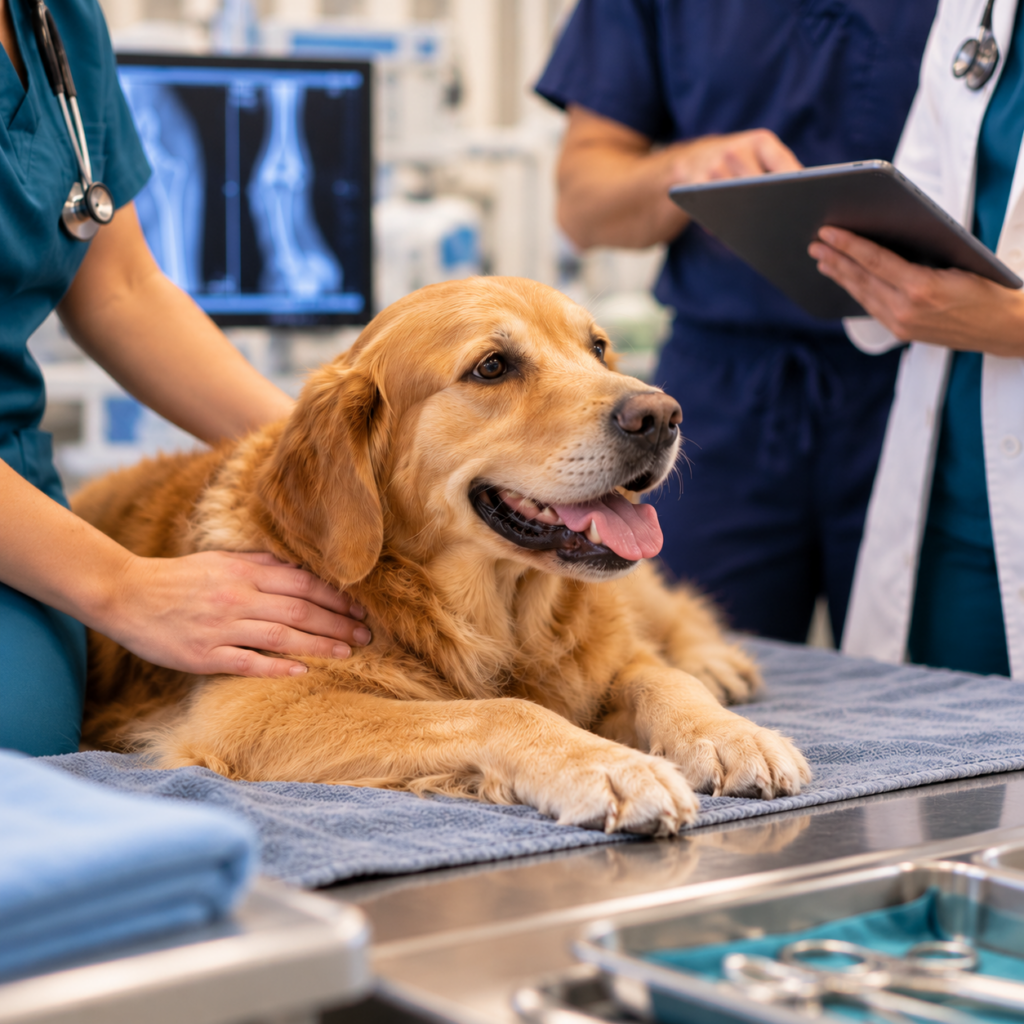
For selected cases, Abbey works with an experienced veterinary surgeon who performs specialized procedures here at our hospital.
This gives some patients access to more advanced surgical care while remaining in the familiar environment of Abbey, with our team involved in their care before and after surgery.
Not every procedure belongs in a general veterinary hospital, however. If we believe your pet would be better served by a specialty or emergency facility, we’ll tell you.
We’d rather recommend the right level of care than try to be something we’re not.
What Happens After Surgery?
Going Home With a Plan
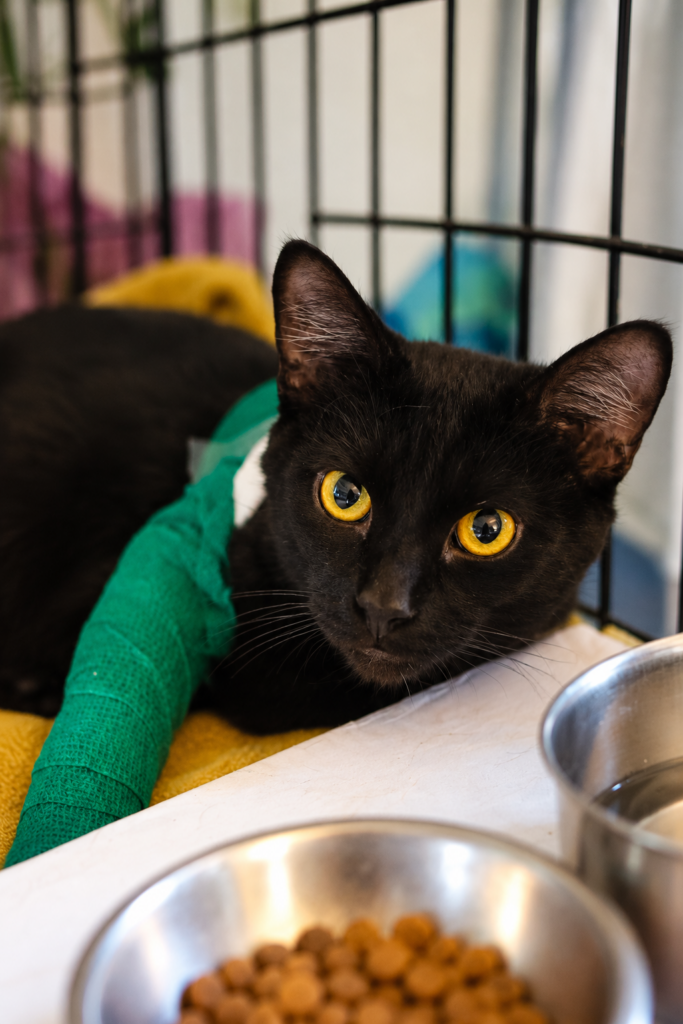
Your pet’s recovery continues after they leave the hospital.
Before you go home, we’ll review what happened during the procedure and explain what your pet needs during recovery.
Depending on the surgery, that may include:
- Medications and pain control
- Feeding after anesthesia
- Activity restrictions
- Incision care
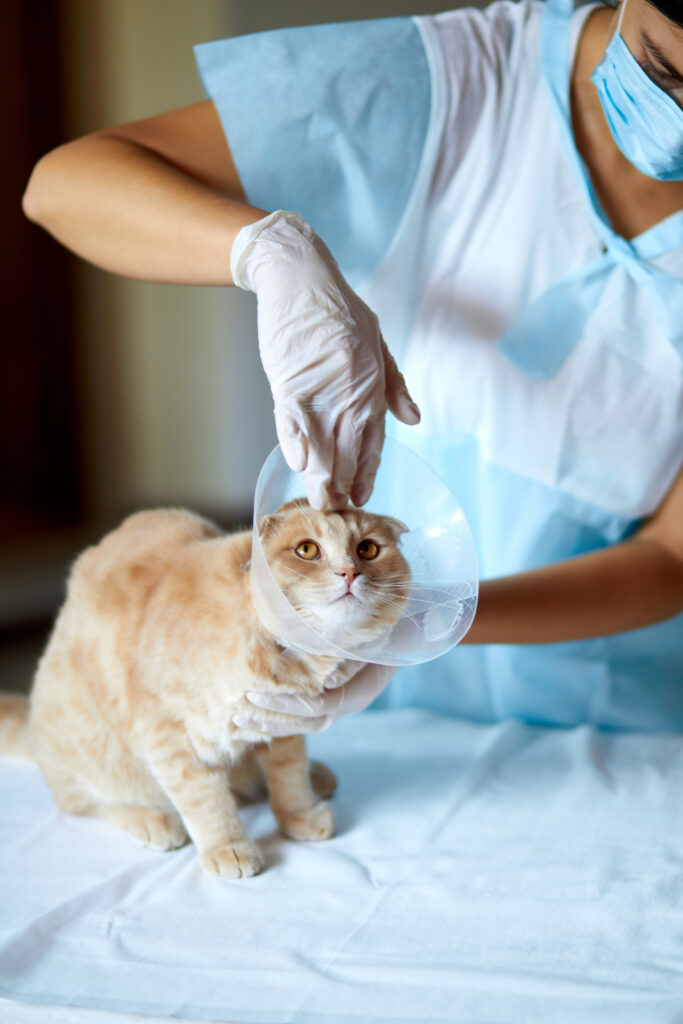
- Preventing licking or chewing
- What you can expect during the first night home
- Changes that should prompt a call to us
- Follow-up care and rechecks
We want you to leave knowing what to do — not trying to remember a rushed conversation at the door.
And if something doesn’t seem right once you’re home, call us.
Surgical Care: Frequently Asked Questions
We’ll explain why we’re recommending it.
Depending on the condition, there may be alternatives to surgery. In other cases, surgery may offer the best opportunity to resolve a problem, relieve pain or prevent the condition from becoming more serious.
We want you to understand the reasoning before making a decision.
Anesthesia always carries some degree of risk.
Our job is to understand your pet’s individual health as well as we reasonably can, plan appropriately and monitor them carefully throughout the procedure and recovery.
Pre-anesthetic examination and diagnostic testing can provide important information before anesthesia and help us plan for the individual patient.
If we identify a concern, we’ll discuss it with you.
Age alone doesn’t determine whether a pet can undergo anesthesia or surgery.
An older pet may have health considerations that a younger pet doesn’t, which makes individual evaluation particularly important.
We’ll consider your pet’s examination, medical history, medications, diagnostic results and the procedure itself when evaluating their surgical plan.
Our goal is to anticipate and manage pain rather than waiting for your pet to become uncomfortable.
Pain management is planned according to the procedure and your pet’s individual needs, and we’ll explain any medications or care that need to continue at home.
That depends on the procedure, your pet and how they’re recovering.
We’ll let you know what to expect when the surgery is scheduled and keep you informed about your pet’s recovery.
We’ll tell you and help guide you toward the appropriate specialist or facility.
Our responsibility isn’t to perform every possible procedure.
It’s to help your pet receive the care that’s right for them.
If Your Pet Needs Surgery, Let's Talk
You don’t have to arrive with every question figured out.
We’ll explain what we’re recommending, why we’re recommending it and what you can expect before, during and after your pet’s procedure.
If you’re worried about anesthesia, recovery, pain management or anything else, ask us.
We want you to feel informed about the decision you’re making and confident in the care your pet will receive.