
Pet Microchipping
A Small Chip That Can Help Bring Them Home
A door gets left open. A dog slips out of a collar. An indoor cat gets outside for the first time.
It can happen quickly.
Collars and identification tags are still important, but they can come off or become unreadable. A microchip gives your dog or cat a permanent form of identification that stays with them.
Abbey Animal Hospital offers microchipping for dogs and cats as a simple additional safeguard if they ever become lost.
How Does a Pet Microchip Work?
A microchip is a tiny electronic chip, approximately the size of a grain of rice, that is placed beneath your pet’s skin.
The chip has a unique identification number.
If a lost pet is brought to a veterinary hospital or animal shelter, staff can scan for a microchip. The identification number can then be used to locate the chip’s registry and, when the owner’s information is properly registered and current, help reunite the pet with their family.
The microchip itself doesn’t use GPS and doesn’t track your pet’s location.
Its job is identification.
Microchipping Isn't Just for Puppies & Kittens
Pets can be microchipped at almost any stage of life.
If your adult dog or cat has never been microchipped, it isn’t too late.
And yes — indoor pets benefit from microchipping too.
An indoor cat that unexpectedly slips through a door or window may be particularly difficult to identify once outside, especially if they aren’t wearing a collar.
Microchipping provides another way for someone who finds them to connect them back to you.
Already Microchipped?
Make Sure the Information Is Up to Date
Having a microchip implanted is only the first step.
For it to help reunite you with your pet, the chip needs to be properly registered and your contact information needs to stay current.
If you move or change your phone number or email address, remember to update your information with your pet’s microchip registry.
It’s also worth checking your registration periodically — especially if your pet was microchipped years ago or you aren’t sure which contact information is on file.
Does Microchipping Hurt?
Placing a microchip is quick and doesn’t require surgery.
The chip is implanted beneath the skin using a needle, so your pet may feel a brief pinch, much like they do with an injection.
Microchipping can often be done during a routine appointment. If your pet is already scheduled for an anesthetic procedure, ask us whether you’d like to have their microchip placed at the same time.
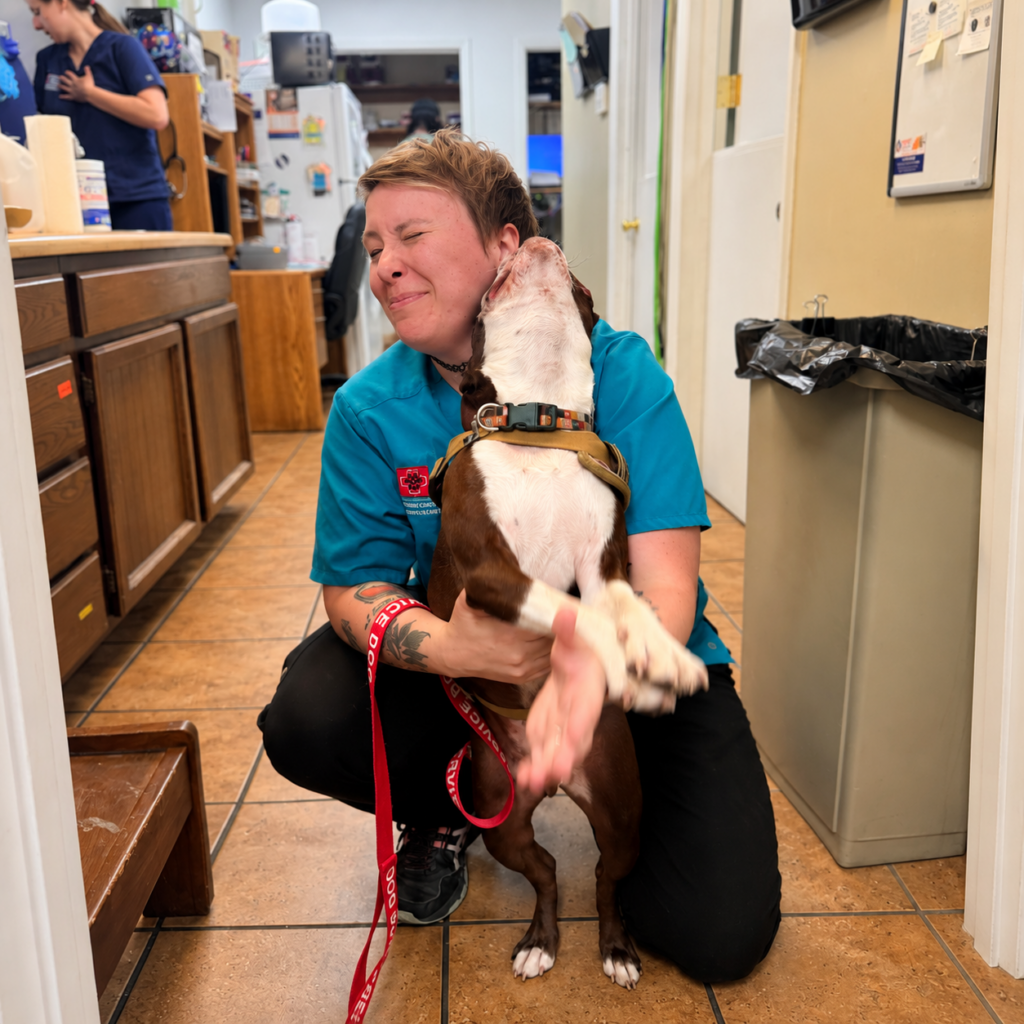
Give Your Pet Another Way Home
If your dog or cat isn’t microchipped, we can take care of it during a visit to Abbey.
And once it’s placed, don’t forget the most important part: register the chip and keep your contact information current.