
Nutrition and Healthy Weight
Good Nutrition Is Part of Good Medicine
What your pet eats matters — but there isn’t one diet that’s right for every dog or cat.
Age, body condition, activity, health and medical history can all influence what and how much a pet should eat. And those needs can change over time.
At Abbey Animal Hospital, nutrition is part of the bigger picture.
We consider your pet’s diet and body condition alongside everything else we’re seeing during their care. If something needs attention — whether that’s gradual weight gain, unexpected weight loss, changing nutritional needs or a medical condition that may benefit from a specific diet — we’ll talk about it with you.
Our goal isn’t to make feeding complicated.
It’s to help you make sensible choices for the pet in front of us.
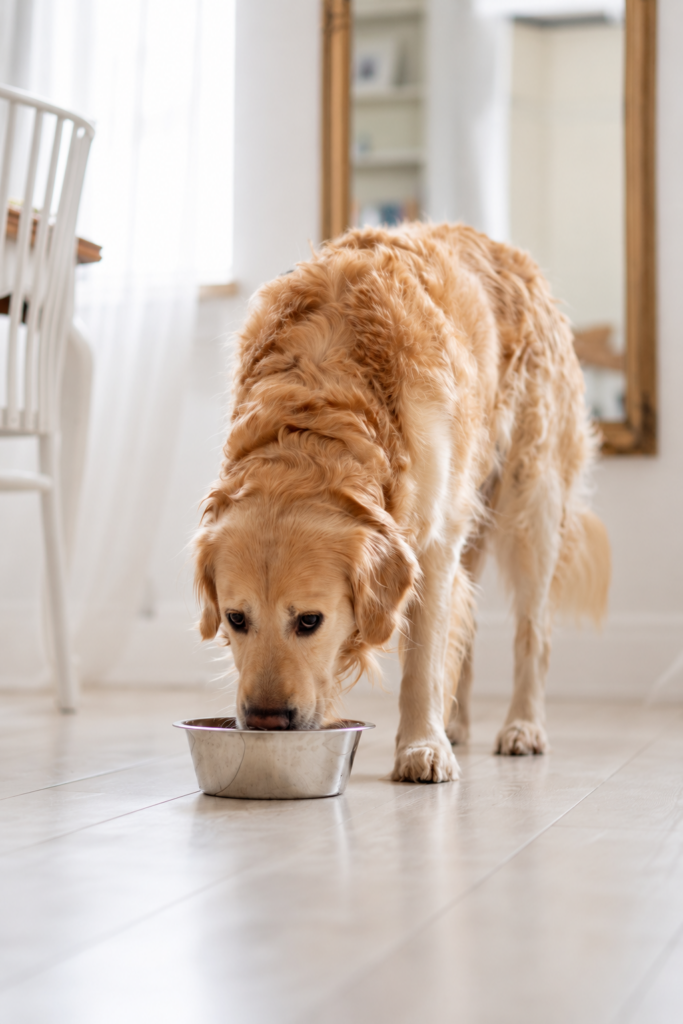
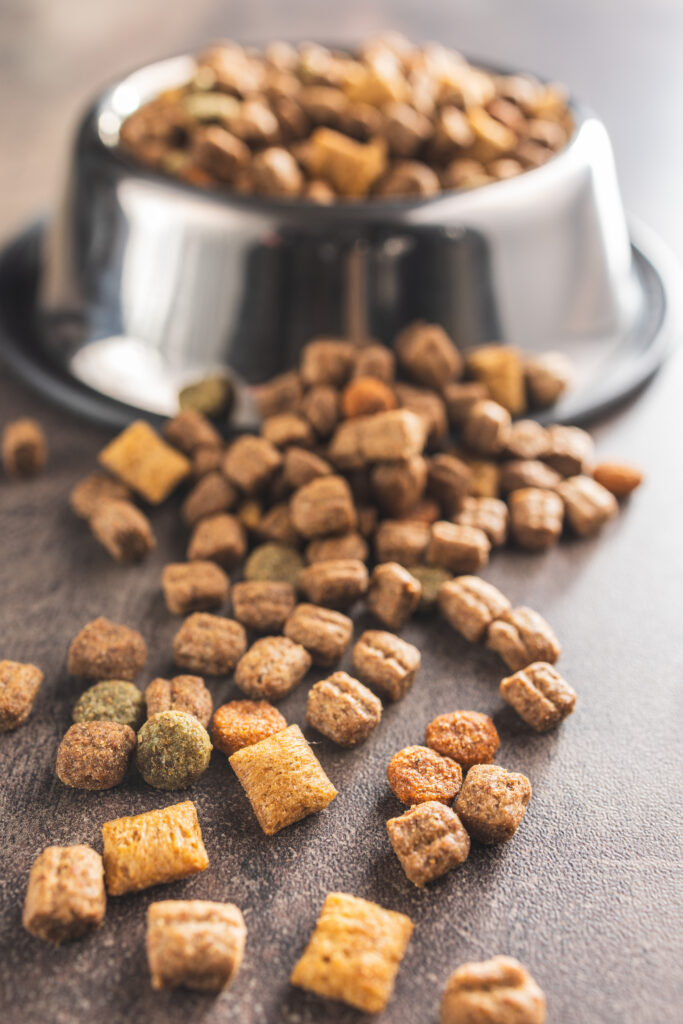
"What Should I Feed My Pet?"
It’s one of the most common questions we hear.
And with so many foods, ingredients, feeding philosophies and marketing claims competing for your attention, it’s understandable that the answer doesn’t always feel straightforward.
Grain-free. Natural. Fresh. Raw. High protein. Limited ingredient. Breed-specific. Life-stage formulas.
Rather than choosing a diet based on the claims on the front of the bag, we look at your individual pet.
That may include their:
- Age and life stage
- Current weight and body condition
- Activity level
- Medical history
- Digestive health
- Current diet and feeding routine
- Individual nutritional needs
For many healthy pets, the goal is fairly simple: a complete and balanced diet appropriate for their life stage, fed in an amount that helps maintain a healthy body condition.
When a pet has additional medical needs, the conversation may be different.
A Healthy Weight is about More than the Number on the Scale
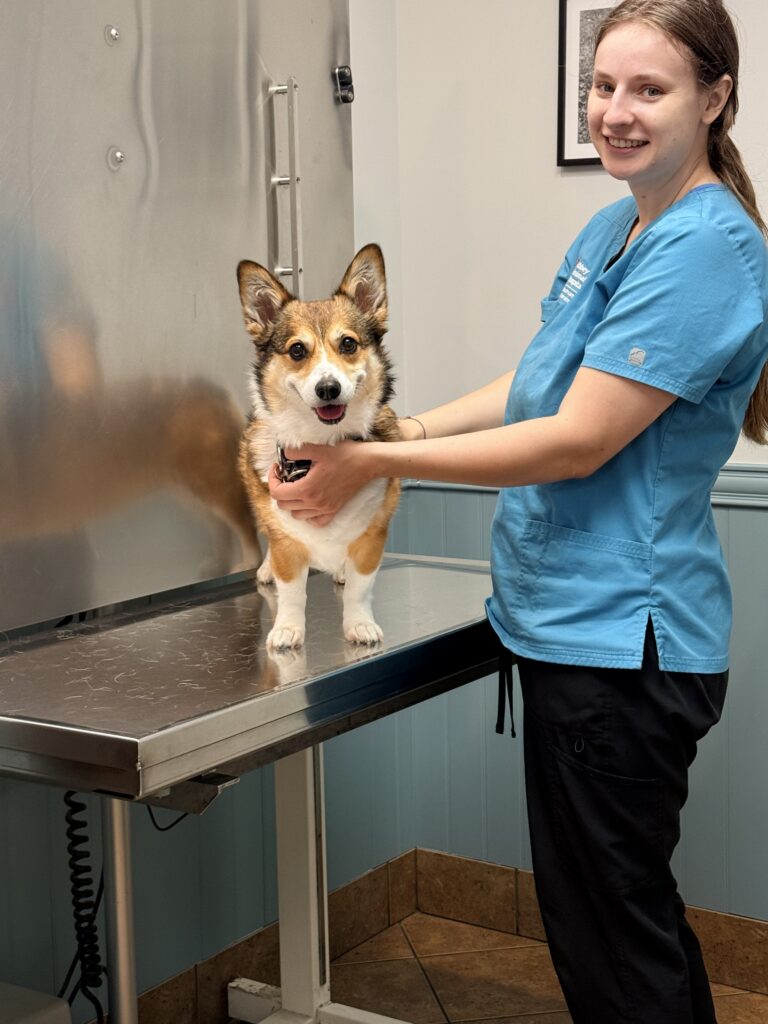
We weigh your pet during their visits, but the number itself only tells us part of the story.
We also pay attention to body condition — including your pet’s overall shape, waist, ribs and fat distribution — and whether they’re maintaining appropriate muscle.
That becomes particularly important as pets get older.
Because weight changes happen gradually, they can be surprisingly difficult to notice at home.
If we think your pet has gained more weight than is healthy, we’ll tell you and talk about practical changes that may help.
And if your pet is losing weight unexpectedly, we want to know that too.
Unexplained weight loss can sometimes be an early sign of an underlying medical problem and may need to be investigated rather than simply addressed by feeding more.

How Much Should I Feed?
The feeding guide on a bag or can is a starting point — not an individualized prescription.
Your pet’s actual needs can vary depending on their age, size, activity, metabolism, body condition and health. And it’s easy to underestimate everything that happens outside the food bowl.
Treats, chews, table food and little extras throughout the day all count.
If your pet is gaining too much weight, we’ll help you look at what they’re actually eating and whether portions or feeding habits need to change.
The goal is practical advice you can actually use at home.
Nutrition Changes Throughout Life
Growing pets have different nutritional requirements from adults.
We’ll talk with you about an appropriate diet for growth and how feeding needs change as your puppy or kitten develops.
Large-breed puppies have additional nutritional considerations because appropriate growth is particularly important for healthy skeletal development.
For most healthy adults, the focus is on complete and balanced nutrition, appropriate portions and maintaining a healthy body condition.
Regular examinations also give us an opportunity to notice gradual changes in weight that can be difficult to see at home.
Getting older doesn’t automatically mean your pet needs food labeled “senior.”
Some older pets gain weight as their activity changes. Others begin losing weight or muscle. Medical conditions may also change their nutritional needs.
We’ll look at what’s happening with your individual pet rather than making a recommendation based on age alone.
When Nutrition Becomes Part of Medical Care
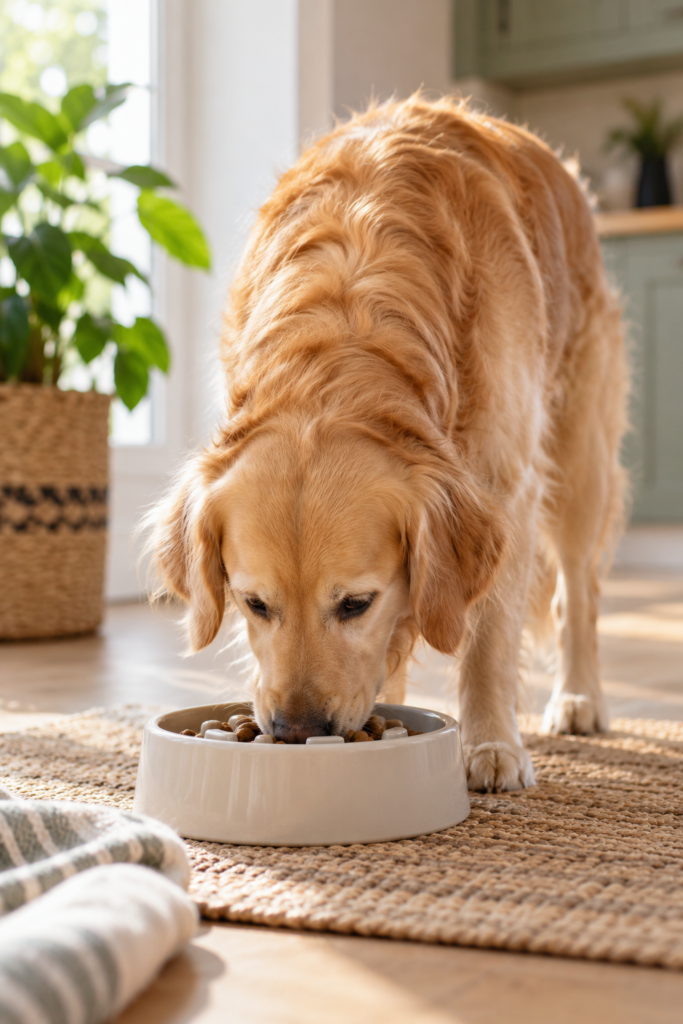
Sometimes what we feed is more than a lifestyle decision.
Nutrition can play an important role in managing certain medical conditions.
Depending on your pet’s diagnosis, your veterinarian may recommend a specially formulated or prescription diet for conditions involving areas such as:
- Kidney health
- Urinary health
- Gastrointestinal disease
- Food sensitivities
- Weight-related concerns
- Other conditions where nutrition can support the treatment plan
If we recommend a therapeutic diet, we’ll explain why.
We want you to understand what we’re trying to accomplish and how the diet fits into your pet’s overall care.
When Weight Changes Tell Us Something
A change on the scale isn’t always about calories.
Unexpected weight gain or loss — particularly when it’s accompanied by changes in appetite, thirst, urination, activity or behavior — can sometimes be a sign that something else is happening.
That’s when nutrition becomes essential.